

Types of Roof: 8 Shapes and 7 Materials That Define Every Home
Picking a roof feels a bit like choosing shoes for a marathon. The wrong choice will haunt you with every step (or in this case, every storm). Whether you’re building from scratch, replacing an aging cover, or just curious about what’s above your head, understanding the different types of roof options available can save you thousands of dollars and years of headaches.
From sleek modern flats to classic gables that have stood the test of centuries, roofs come in a surprisingly diverse array of shapes, materials, and styles. Let’s break it all down without the fluff.
What Are the Main Types of Roof?
The main types of roof include gable, hip, flat, mansard, gambrel, shed, butterfly, and dome. Each shape offers distinct advantages in drainage, attic space, weather resistance, and visual appeal. The right choice depends on your climate, architectural style, and budget priorities.
Roof Types Categorized by Shape
Shape determines more than just curb appeal. It impacts how water sheds, how much attic space you’ll have, and how well your roof handles snow, wind, and sun.
1. Gable Roof
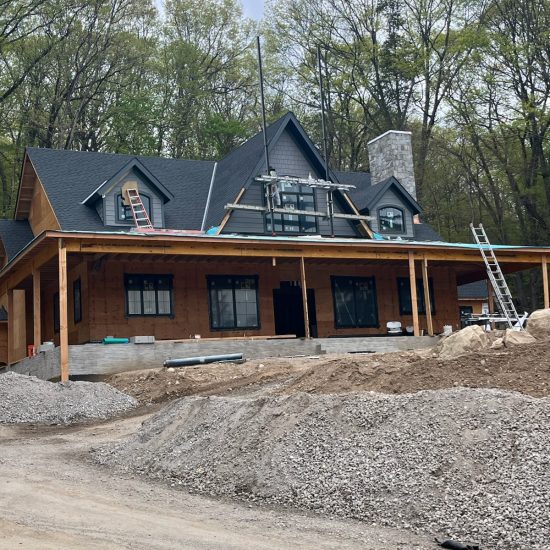
The classic triangle silhouette every child draws. Gable roofs feature two sloping sides meeting at a central ridge, creating those iconic peaked ends. They’re affordable, shed water and snow efficiently, and provide generous attic storage.
Best for: Most climates, though they can struggle in hurricane-prone areas due to wind uplift.
2. Hip Roof
All four sides slope downward toward the walls, giving the structure a pyramid-like appearance. Hip roofs are noticeably more stable in high winds and offer consistent eaves on every side for shade.
Best for: Hurricane zones, snowy regions, and homeowners wanting a refined look.
3. Flat Roof
Despite the name, flat roofs have a slight pitch for drainage. They’re a staple of modern architecture, commercial buildings, and homes in arid climates. Bonus: you can transform them into rooftop patios or gardens.
4. Mansard Roof
Born in France and synonymous with Parisian elegance, mansard roofs have four double-sloped sides with the lower slope steeper than the upper. This design creates an entire extra story of usable living space.
5. Gambrel Roof
Picture a classic barn. Gambrel roofs are similar to mansards but only have two sides instead of four. They maximize loft space, which is why farmers loved them and why they remain popular for sheds and cottages.
6. Shed Roof (Skillion)
A single sloping plane, like a flat roof tilted up on one side. Shed roofs are minimalist, easy to build, and increasingly trendy in contemporary home design.
7. Butterfly Roof
Imagine two shed roofs leaning into each other, forming a V shape. Butterfly roofs are striking, allow huge windows, and are excellent for collecting rainwater in the central valley.
8. Dome Roof
Rare but unforgettable. Domes appear on observatories, gazebos, and luxury custom builds. They’re incredibly strong and weather-resistant but expensive to construct.
Roof Types Categorized by Material
The shape sets the stage, but material decides the performance. Here’s what’s covering homes today.
Asphalt Shingles
The most popular choice in North America. They’re affordable, come in dozens of colors, and last roughly 20 to 30 years. Easy to install, easy to repair.
Metal Roofing
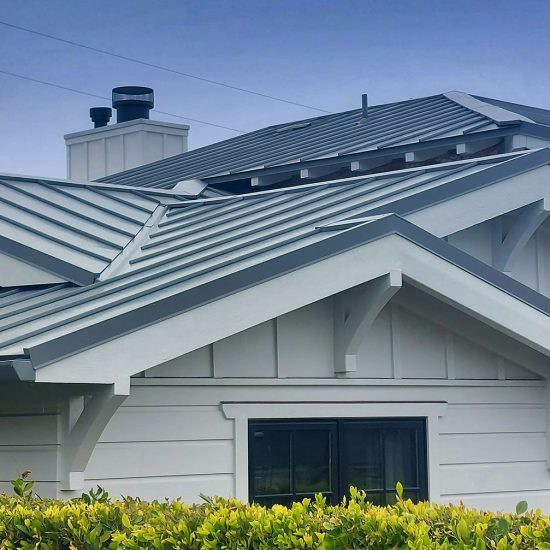
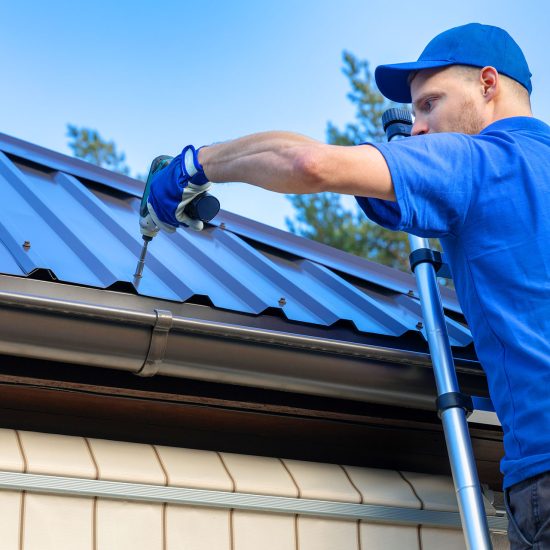
Once limited to barns and industrial buildings, metal has gone fully mainstream. Standing seam, corrugated panels, and metal shingles all offer 40 to 70 year lifespans, fire resistance, and superb energy efficiency. The catch? Leaks can develop around fasteners and seams if not properly maintained, so understanding how to handle metal roof leak repair early is crucial to avoid bigger problems down the road.
Clay and Concrete Tiles
Heavy, gorgeous, and built for the long haul. You’ll see these crowning Mediterranean, Spanish, and southwestern homes. Lifespan can exceed 100 years, but your roof framing must support the weight.
Slate
The undisputed king of longevity. Real slate roofs can last 150 years or more. They’re stunning, fireproof, and eco-friendly, but the price tag is steep and installation requires specialized expertise.
Wood Shingles and Shakes
Cedar, redwood, and pine give homes a warm, rustic character. They weather to a beautiful silver-gray over time. The downside is higher maintenance and fire risk in dry climates.
Synthetic Composite
Engineered to mimic slate, wood, or tile at a fraction of the weight and cost. Composite roofing is rapidly gaining traction with homeowners who want a premium look without premium maintenance.
Green (Living) Roofs
Yes, plants on your roof. Green roofs provide insulation, manage stormwater, and reduce urban heat. They require significant structural support and ongoing care, but the environmental payoff is real.
How to Choose the Right Roof Type for Your Home
Climate Considerations
Snowy areas favor steep pitches. Hurricane zones reward hip roofs and impact-rated materials. Hot, sunny climates benefit from reflective metal or light-colored tiles.
Budget Reality
Asphalt is friendliest to your wallet. Slate and clay tile sit at the top of the cost ladder. Metal lands somewhere in between, often paying for itself with longevity.
Architectural Style
A Victorian deserves something with character. A modern build leans toward flat or shed. Always match the roof to the bones of the house.
Local Codes
Some HOAs and municipalities restrict materials or colors. Always check before falling in love with a specific look.
Pros and Cons at a Glance
- Gable: Cheap and effective, but vulnerable to high winds.
- Hip: Stable and stylish, but more expensive to build.
- Flat: Modern and usable, but drainage demands attention.
- Mansard: Extra living space, but complex and costly.
- Metal: Long-lasting and energy efficient, but louder in storms.
- Slate: Heirloom durability, but heavy and pricey.
- Shingles: Affordable and versatile, but shorter lifespan.
Frequently Asked Questions
What is the most durable type of roof?
Slate is the most durable, often lasting 100 to 150 years. Clay tile and high-quality metal roofs come in close behind, with lifespans of 50 to 100 years when properly installed and maintained.
Which roof type is best for heavy snow?
Steeply pitched gable and hip roofs handle snow best because gravity does most of the work. Metal roofing also shines here, as snow slides off easily, reducing the risk of ice dams and structural strain.
Are flat roofs really flat?
Not quite. Flat roofs have a slight slope (usually 1 to 10 degrees) to channel water toward drains. A truly flat surface would pool water and fail quickly.
What’s the cheapest type of roof?
Asphalt shingles on a simple gable frame is the most budget-friendly combination. It’s why you’ll see this pairing on the vast majority of suburban homes across North America.
How often should I replace my roof?
It depends entirely on the material. Asphalt shingles need replacement every 20 to 30 years, while metal can last 50-plus years and slate can outlive multiple generations of homeowners.
Can I mix roof types on one house?
Absolutely. Many homes combine styles, like a main gable with a shed dormer or a hip roof with a flat porch extension. Combinations can add architectural interest and solve drainage challenges.
Final Thoughts
Choosing among the many types of roof is really a balancing act between budget, climate, aesthetics, and longevity. Whether you’re drawn to the timeless triangle of a gable, the European drama of a mansard, or the sleek practicality of metal panels, there’s a roof out there that fits your home and your life.
Do your homework, consult a reputable local roofer, and remember that the cheapest option upfront is rarely the cheapest over the lifetime of the structure. A great roof protects everything beneath it, including your peace of mind.
No Comments
Sorry, the comment form is closed at this time.