


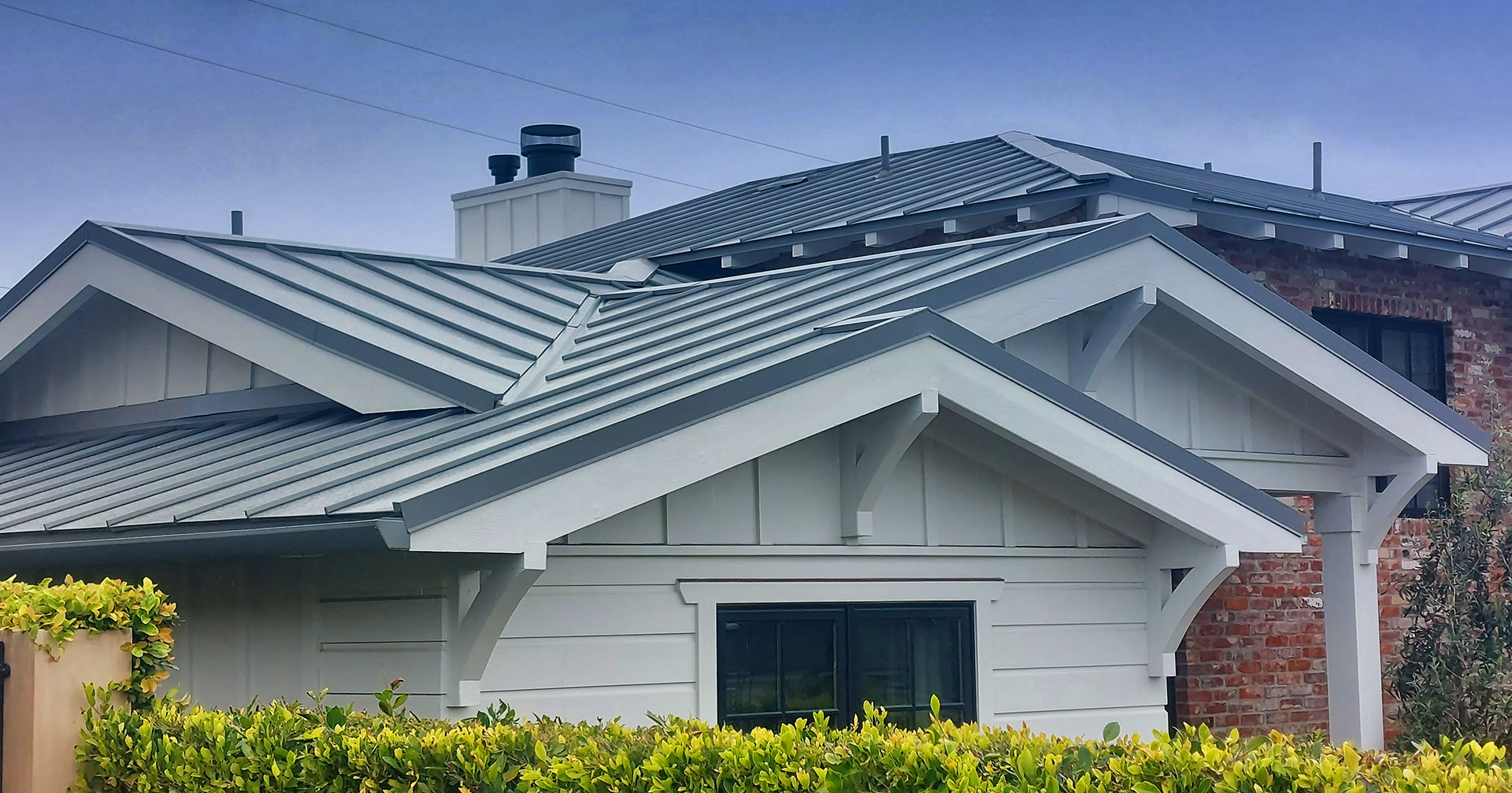
Metal Roof Leak Repair? How to Stop Drips Before They Become Disasters
A leaking metal roof can quickly turn from a minor nuisance into a costly disaster if left unaddressed. While metal roofs are renowned for their durability and longevity, often lasting 40 to 70 years, they are not entirely immune to leaks. Understanding the ins and outs of metal roof leak repair is essential for homeowners who want to protect their investment, prevent water damage, and extend the lifespan of their roofing system.
Why Metal Roofs Leak: Common Causes
Despite their reputation for being virtually leak-proof, metal roofs can develop issues over time. Knowing the root cause is the first step toward an effective metal roof leak repair. Here are the most common culprits:
- Loose or backed-out fasteners: Screws and nails can loosen over time due to thermal expansion and contraction, creating gaps where water can seep in.
- Damaged or worn sealant: The rubber washers and sealants around seams and fasteners deteriorate from UV exposure and weather, leading to leaks.
- Seam separation: Standing seams or overlapping panels can separate, especially in older installations.
- Flashing failures: Improperly installed or aging flashing around chimneys, vents, and skylights is a leading cause of leaks.
- Rust and corrosion: While modern metal roofs are coated to resist rust, scratches and chips can lead to corrosion and eventual perforation.
- Punctures and dents: Falling branches, hail, or foot traffic during maintenance can create holes or weak spots.
How to Identify a Metal Roof Leak
Before you can fix a leak, you have to find it, and that’s not always as easy as it sounds. Water often travels along the underside of metal panels before dripping down inside your home, meaning the visible leak point may be far from the actual source.
Signs You Have a Roof Leak
- Water stains on ceilings or walls
- Peeling paint or bubbling drywall
- Musty odors in the attic
- Visible rust streaks on the exterior of the roof
- Damp insulation or pooling water in the attic
Inspecting Your Metal Roof
Start with a visual inspection from the ground using binoculars. Look for missing fasteners, lifted panels, damaged flashing, or visible rust spots. If safe, climb onto the roof to inspect more closely, paying special attention to penetrations like vents, chimneys, and skylights, as these are notorious leak hotspots.
Step-by-Step Metal Roof Leak Repair
Once you’ve identified the source of the leak, you can begin the repair process. Below are the most common repair techniques for various types of metal roof leaks.
1. Tightening or Replacing Fasteners
If loose screws are the culprit, simply tightening them may not be enough, especially if the rubber washer is compromised. Remove the old fastener and replace it with a slightly larger screw featuring a fresh neoprene washer to ensure a watertight seal.
2. Resealing Seams and Joints
For minor leaks at seams, clean the area thoroughly with a wire brush and mineral spirits to remove dirt, debris, and old sealant. Apply a high-quality urethane or butyl sealant designed specifically for metal roofing. Smooth it out with a putty knife to ensure full coverage.
3. Patching Holes and Punctures
Small holes can be patched using a metal roof repair patch or a piece of matching metal cut to size. Clean the area, apply roofing sealant generously, press the patch into place, and seal the edges with additional sealant. For larger holes, panel replacement may be necessary.
4. Repairing Flashing
Damaged flashing should be removed and replaced with new flashing properly installed and sealed. This is often a job best left to professionals, as improper flashing installation is one of the most common causes of recurring leaks.
5. Addressing Rust and Corrosion
For surface rust, sand the affected area down to bare metal, apply a rust-inhibiting primer, and finish with a matching metal roof paint or coating. Severely rusted sections may require panel replacement.
DIY vs. Professional Metal Roof Repair
While some minor repairs, like tightening fasteners or applying sealant, can be tackled by handy homeowners, more complex issues require professional expertise. Here’s how to decide:
DIY-Friendly Repairs
- Replacing a few loose screws
- Applying sealant to small seam gaps
- Patching tiny pinholes
- Cleaning debris from valleys
Call a Professional For
- Widespread rust or corrosion
- Flashing replacement
- Panel replacement
- Structural damage or sagging
- Leaks of unknown origin
Professional roofers have the tools, experience, and safety equipment to perform repairs efficiently and correctly. Plus, many offer warranties on their work, giving you peace of mind that the leak won’t return. For homeowners looking for better protection through high-quality roofing upgrades, working with experienced contractors makes all the difference in long-term performance and durability.
Preventing Future Metal Roof Leaks
The best metal roof leak repair is the one you never have to make. With proper maintenance, you can prevent most leaks before they start. Here are some preventive measures every metal roof owner should follow:
- Schedule annual inspections: Have a professional inspect your roof at least once a year, ideally in the fall before winter weather sets in.
- Keep gutters clean: Clogged gutters can cause water to back up under the roof edges, leading to leaks and rust.
- Trim overhanging branches: Falling limbs can damage panels, and rubbing branches can scratch protective coatings.
- Check fasteners regularly: Tighten or replace any loose or backed-out screws as soon as you notice them.
- Apply fresh sealant: Every 5-10 years, reseal seams, flashing, and fasteners to maintain a watertight barrier.
- Address damage immediately: Don’t let small issues become big ones; fix scratches, dents, and minor leaks promptly.
Choosing the Right Sealants and Materials
Not all sealants are created equal, and using the wrong product can lead to repairs that fail within months. When shopping for materials, look for:
- Polyurethane sealants: Excellent flexibility and UV resistance, ideal for most metal roof applications.
- Butyl rubber sealants: Great for seams and joints, with strong adhesion to metal surfaces.
- Silicone roof coatings: Best for sealing entire roof sections and providing reflective, waterproof protection.
- Self-adhering metal patches: Convenient for quick repairs of small holes and tears.
Always check that the product is compatible with your specific roof material, whether it’s galvanized steel, aluminum, copper, or coated steel.
Final Thoughts on Metal Roof Leak Repair
A leaking metal roof doesn’t have to spell disaster. With prompt action, the right materials, and, when needed, professional help, you can restore your roof’s integrity and protect your home for years to come. Remember, the key to successful metal roof leak repair lies in accurate diagnosis, quality materials, and proper technique.
Whether you choose to handle minor repairs yourself or bring in an experienced roofing contractor for more complex issues, don’t delay. Every day a leak goes unaddressed is another day of potential water damage, mold growth, and structural deterioration. Stay proactive with regular inspections and maintenance, and your metal roof will reward you with decades of reliable, weather-tight performance.


No Comments
Sorry, the comment form is closed at this time.