

Horizontal Siding: Styles, Costs, and Pro Tips for Stunning Curb Appeal
Few exterior choices shape a home’s personality quite like the direction of its siding boards. Run them sideways, and suddenly your house looks broader, sturdier, and more welcoming. That’s the quiet magic of horizontal siding, a design choice so familiar most people forget it’s a choice at all. But behind those clean, parallel lines lies a world of material options, installation quirks, and style decisions worth understanding before you commit.
What Is Horizontal Siding?
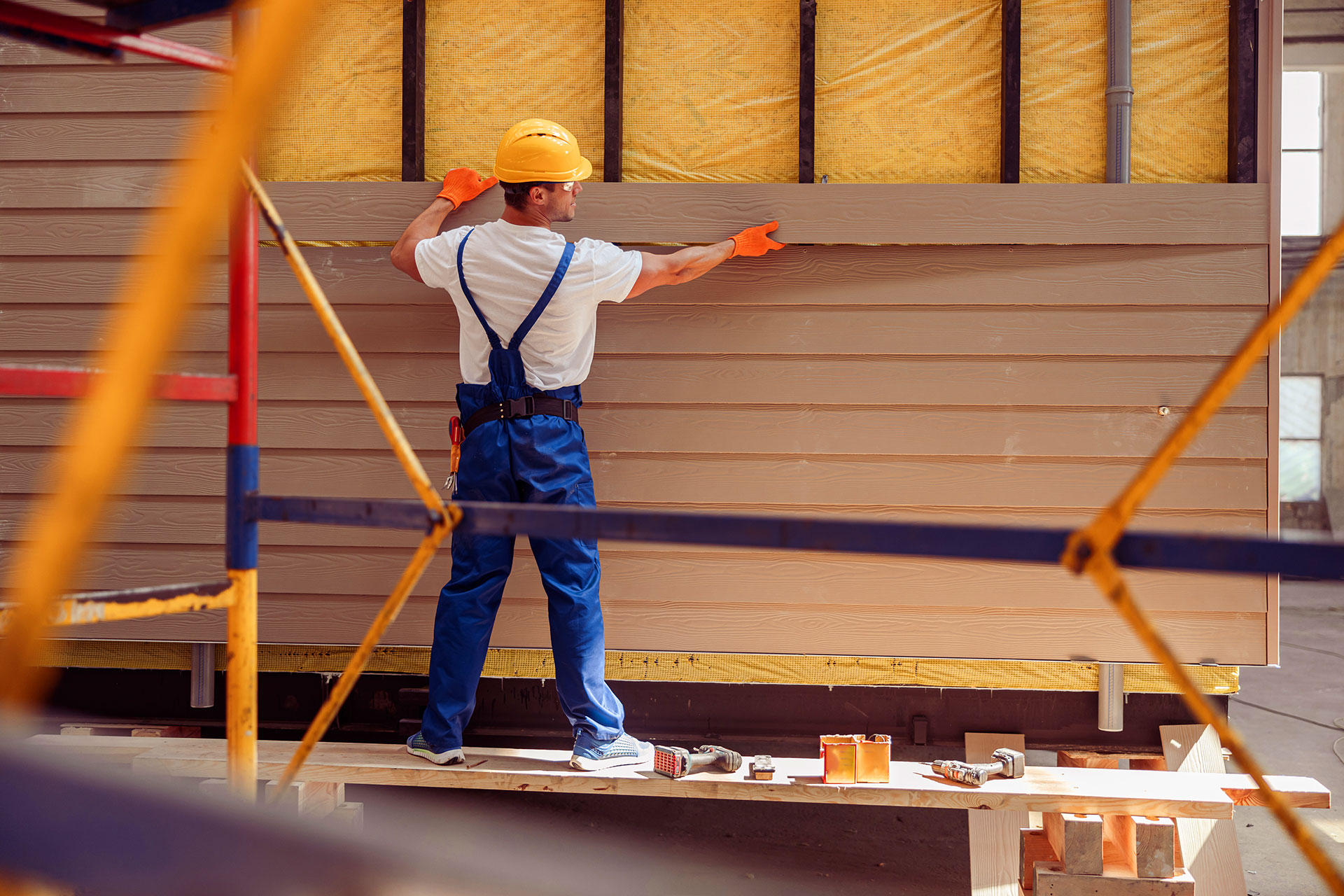
Horizontal siding is exterior cladding installed in long, overlapping rows that run parallel to the ground. It’s the most common siding orientation in North America, available in vinyl, wood, fiber cement, engineered wood, and metal. Homeowners choose it for its classic curb appeal, ease of installation, and ability to make homes appear wider and more grounded.
Why Homeowners Keep Choosing Horizontal Siding
There’s a reason this style has dominated American neighborhoods for over a century. It’s predictable in the best way: familiar, flattering, and forgiving when it comes to maintenance.
- Timeless aesthetics that pair with nearly any architectural style
- Faster installation compared to vertical or shake patterns
- Better availability of materials, colors, and accessories
- Easier repairs since damaged boards can be swapped individually
- Visual width, making narrow homes look more substantial
Popular Horizontal Siding Materials
Not all horizontal boards are created equal. The material you select changes the look, lifespan, and long-term cost of your home’s exterior.
Vinyl
Affordable, low-maintenance, and offered in countless colors. It resists rot and pests but can warp under extreme heat.
Fiber Cement
Mimics real wood, resists fire and insects, and lasts 30+ years. Heavier and pricier to install, but worth it for many.
Wood
Classic cedar or pine clapboards with unmatched warmth. Requires regular staining or painting to stay beautiful.
Engineered Wood
The look of real wood with added durability. Lighter than fiber cement and easier on the budget.
Metal (Steel or Aluminum)
Sleek, modern, and incredibly durable. Excellent for contemporary builds and harsh climates.
Horizontal Siding Styles to Know
“Horizontal” isn’t a single look. It’s an umbrella covering several distinct profiles, each with its own personality.
Clapboard (Lap Siding)
The original American classic. Long, tapered boards overlap slightly, creating a subtle shadow line that adds depth.
Dutch Lap
A decorative groove along the top edge gives this style a deeper, hand-carved feel. Popular on traditional and colonial homes.
Beaded Seam
Features a rounded notch along the bottom of each board. Elegant and slightly formal, perfect for historic-style homes.
Shiplap
Tight, flush seams that create a smooth, modern surface. It’s surged in popularity thanks to farmhouse-inspired design trends.
Board and Batten (Horizontal Variant)
While traditionally vertical, some homeowners install wide horizontal boards with narrow battens for a custom hybrid look.
The Cost of Horizontal Siding
Pricing depends heavily on the material, home size, and labor rates in your region. As a rough guide:
- Vinyl: $3 to $8 per square foot installed
- Engineered Wood: $5 to $10 per square foot installed
- Fiber Cement: $6 to $13 per square foot installed
- Cedar Wood: $7 to $15 per square foot installed
- Steel or Aluminum: $8 to $16 per square foot installed
Always request multiple quotes and factor in trim, fasteners, weather barriers, and disposal of old siding.
Pros and Cons at a Glance
Pros
- Wide material and color selection
- Familiar curb appeal that boosts resale value
- Easier and quicker to install than vertical alternatives
- Simple to repair section by section
- Works on nearly every architectural style
Cons
- Horizontal seams can trap water if installed poorly
- Dirt and pollen accumulate on top edges
- May look less unique than vertical or mixed designs
- Requires careful flashing around windows and doors
Installation Tips That Pay Off Later
A clean siding job isn’t just about aesthetics. It’s about how the entire exterior system works together to keep moisture out and your home protected.
- Start with a proper weather-resistant barrier behind every panel.
- Use a chalk line to keep your first course perfectly level. Every row builds on that foundation.
- Leave expansion gaps, especially with vinyl, to prevent buckling.
- Flash every penetration, including windows, doors, vents, and electrical outlets.
- Coordinate with your gutter system so water has a clear path off your roof and away from the siding.
Speaking of water management, your siding is only as good as the drainage system protecting it. If your gutters are aging or undersized, your fresh siding investment could be at risk. Take time to review the basics of installing rain gutters before scheduling your siding job, since coordinating both projects can save you serious money and prevent moisture issues down the line.
Horizontal vs. Vertical Siding: A Quick Comparison
Wondering which direction is right for your home? Each orientation tells a different visual story.
- Horizontal makes homes look wider, more grounded, and traditional.
- Vertical draws the eye upward, emphasizing height and modern design.
- Mixed installations use horizontal on main walls and vertical on gables or accents for dramatic contrast.
Maintenance Tips to Extend Its Lifespan
Even low-maintenance materials need a little love. Keep your horizontal siding looking sharp with these habits:
- Wash annually with a soft brush and mild detergent
- Inspect caulking around windows and trim every spring
- Trim back shrubs and trees that touch the siding
- Look for loose, cracked, or warped boards after major storms
- Repaint or restain wood siding every 5 to 7 years
Frequently Asked Questions
Is horizontal siding cheaper than vertical?
Generally, yes. Horizontal siding requires less labor because most materials are designed and packaged for horizontal installation. Vertical siding often needs additional furring strips and more cuts, which raise labor costs.
How long does horizontal siding last?
Lifespan depends on material. Vinyl lasts 20 to 40 years, fiber cement can exceed 50 years, and well-maintained cedar wood may last 30+ years. Metal siding often outlasts them all.
Can I install horizontal siding myself?
Vinyl is the most DIY-friendly option for handy homeowners. Fiber cement and wood are heavier, demand precise cuts, and benefit from professional installation to avoid moisture issues later.
Does horizontal siding trap moisture?
Only when installed incorrectly. Proper flashing, weather-resistant barriers, and adequate ventilation behind the panels prevent water from getting trapped between courses.
What’s the most popular horizontal siding style?
Traditional clapboard and Dutch lap remain the top choices in most American neighborhoods, though modern shiplap profiles continue to grow in popularity.
Can I mix horizontal and vertical siding on the same house?
Absolutely. Mixing orientations is a popular design trick to highlight gables, entryways, or second stories, adding character and visual interest to an otherwise uniform facade.
Final Thoughts
Horizontal siding endures for good reason. It flatters nearly every home style, offers an enormous range of materials and finishes, and delivers reliable performance when installed correctly. Whether you lean toward classic clapboard, crisp shiplap, or a sleek fiber cement upgrade, the right horizontal siding can transform your home’s curb appeal while protecting it for decades. Pair it with smart drainage planning and routine maintenance, and you’ll have an exterior that looks beautiful and performs even better, season after season.


No Comments
Sorry, the comment form is closed at this time.